Aera Medical · St. George, Utah
Microneedling in St. George, Utah
Medical-grade collagen induction therapy — with optional PRP for amplified results. Treats acne scars, fine lines, large pores, and texture. Performed by Janessa Kraupp-Sampson, MSN, FNP-BC, a board-certified Family Nurse Practitioner.
Board-certified provider
Personalized treatment plan
St. George, Utah
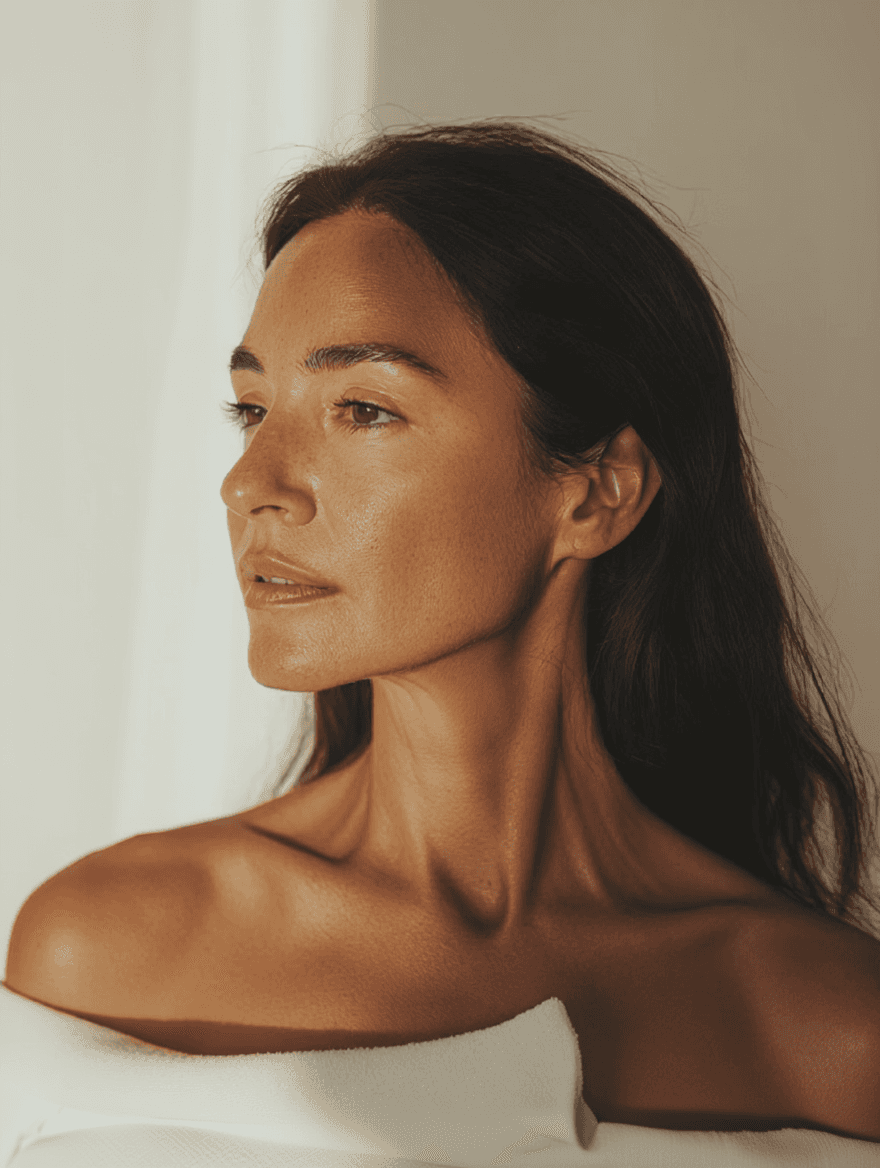
Clinical aesthetics · Southern Utah
How Microneedling Works
A medical-grade microneedling pen creates hundreds of controlled micro-channels in the skin per second. The depth is precisely calibrated — deep enough to trigger collagen production, shallow enough to close within hours. Numbing cream is applied before treatment, so most patients describe the sensation as mild vibration rather than pain.
The body responds to these micro-channels with a wound-healing cascade: new collagen and elastin form over the following 4–8 weeks, replacing scar tissue, plumping fine lines, and tightening pores. Results compound across a series of sessions — most patients see meaningful improvement after the second session, with full results by 2–3 months after the last.
Microneedling vs Microneedling with PRP
Microneedling alone
- • $300–$450 per session
- • 3–6 sessions, 4 weeks apart
- • 24–48h redness
- • Strong on texture and surface concerns
Microneedling + PRP
- • $500–$700 per session
- • 3 sessions often sufficient
- • 24–48h redness
- • Better for deep scars, faster results
- • Uses your own blood — no foreign material
What Microneedling Treats
Acne scars
Rolling, boxcar, and ice-pick scars all respond — typically 5–6 sessions, often paired with PRP for deeper scars
Fine lines and early wrinkles
Collagen production smooths fine lines around the eyes, mouth, and forehead
Large pores
Tightens pore openings by improving collagen support around them
Stretch marks
Especially newer marks (less than 1 year old) — older silver marks respond more slowly
Skin texture
Smooths rough, uneven texture — measurable improvement in skin reflectivity
Surgical scars
Improves color and texture of older surgical scars after they've fully healed
Provider
Janessa Kraupp-Sampson, MSN, FNP-BC
Board-certified Family Nurse Practitioner with a Master of Science in Nursing. Clinical foundation in dermatologic conditions before aesthetic medicine. Trains other nurses through a 90-day injector program. Performed by Aera’s experienced licensed clinical team — Janessa Kraupp-Sampson, MSN, FNP-BC, Beatriz Giron, PA, and Salara, RN.
Good to know
Frequently Asked Questions
At Aera Medical Aesthetics, single microneedling sessions run $300–$450 per session. Microneedling with PRP (platelet-rich plasma added) runs $500–$700 per session. Three-session packages are discounted. Final cost depends on the area treated (full face vs face + neck + chest) and whether PRP is added.
A medical-grade pen creates hundreds of controlled micro-channels in the skin per second, triggering a wound-healing response that stimulates new collagen and elastin production over the following 4–8 weeks. The micro-injuries are far below pain threshold (numbing cream is used) and surface-only — they close within hours. The body's natural healing process is what produces the long-term improvement in fine lines, scars, and texture.
They address overlapping but different concerns. Microneedling is mechanical (physical channels) and excels at acne scars, stretch marks, large pores, and texture. Lasers (like ClearLift) are energy-based and excel at fine lines, pigmentation, and overall tone. Many patients combine both — microneedling for texture/scars, laser for tone/pigment. Microneedling is also significantly safer on darker skin tones than most lasers.
PRP (platelet-rich plasma) is plasma drawn from your own blood, then concentrated to isolate growth factors. Applied topically before and after microneedling, the growth factors absorb into the freshly-created micro-channels and amplify collagen stimulation. PRP-microneedling typically delivers about 30–40% better results than microneedling alone, with similar downtime.
Most patients have moderate redness for 24–48 hours (looks like a mild sunburn). Some pinpoint pinkness can persist into day 3. Makeup can be applied at 24 hours. Sun avoidance and SPF 30+ are critical for at least 7 days. Most patients schedule microneedling on a Friday and are presentable by Monday.
Most concerns require 3–6 sessions spaced 4 weeks apart. Acne scars and stretch marks often need the full 6 for visible improvement. General skin rejuvenation responds well to 3 sessions. Maintenance treatments every 6 months keep results sustained as natural collagen production declines with age.
Yes — significantly safer than most lasers. Microneedling doesn't target melanin, so the risk of post-inflammatory hyperpigmentation common with light-based devices is minimal. This makes it one of the better collagen-induction treatments for Fitzpatrick IV–VI patients.
Fine lines and early wrinkles, acne scars (rolling, boxcar, ice-pick), surgical scars, stretch marks, large pores, uneven texture, mild laxity, and overall skin dullness. Patients with deep wrinkles, established laxity, or significant pigmentation may benefit more from a combined approach (microneedling + laser + filler).
Your next step
393 E Riverside Dr, Ste 103
St. George, Utah 84790
Start with a conversation, not a treatment plan.
Schedule a complimentary consultation with Aera’s licensed clinical team. We’ll talk through your goals, timing, and the options that make sense for you.
Your provider
Clinical judgment and aesthetic restraint, with a plan built around your anatomy rather than a template.
Gracie Cutler
LME · Licensed Master Esthetician
"Gracey" is a licensed Master Esthetician who loves helping clients discover their best skin through advanced facials, microneedling, and corrective skincare protocols.
Meet the Aera teamExplore more