Aera Medical · St. George, Utah
Under-Eye Filler in St. George, Utah
Tear trough correction for the “tired eye” look. The highest-skill filler area — performed by Janessa Kraupp-Sampson, MSN, FNP-BC, a board-certified Family Nurse Practitioner who trains other injectors.
Board-certified provider
Personalized treatment plan
St. George, Utah
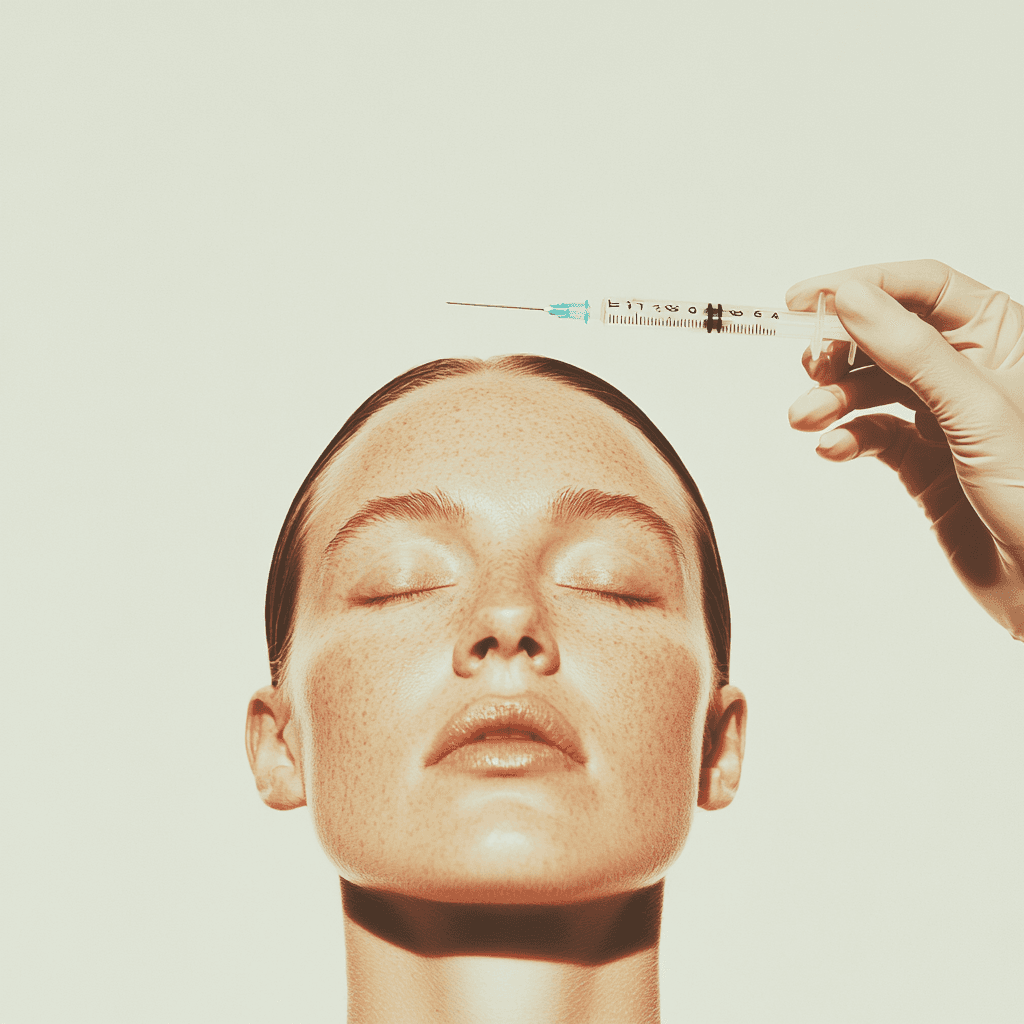
Clinical aesthetics · Southern Utah
Why Under-Eye Filler Is Different
The under-eye is the most technically demanding filler area on the face. The skin is the thinnest on the body — about 0.5mm — and the underlying anatomy is dense with blood vessels that connect to the eye. The wrong product or the wrong depth produces visible lumps, bluish discoloration (Tyndall effect), or in rare cases serious vascular complications.
Done well, it's transformative. Patients who wake up looking exhausted because of under-eye hollowing finally look as rested as they actually are. Done poorly, it's the most visible filler mistake on the face. Provider experience matters more here than anywhere else.
Sometimes the Answer Isn't Tear Trough Filler
About a third of patients who come in asking for under-eye filler get a different recommendation. Reasons:
- Cheek filler first. Mid-face volume loss often creates the appearance of under-eye hollowing. Restoring cheek volume can lift the lower lid and reduce the tear trough naturally — without ever injecting near the eye.
- Skin treatment instead. If your “dark circles” are pigmentation rather than hollowing (look the same in good lighting + bright direct light), filler won't help. ClearLift laser, topical brighteners, and SPF address the cause.
- Surgical referral. Significant fat-pad bulging or pronounced tear trough deformity often needs lower blepharoplasty rather than filler. Janessa will tell you and refer you to a trusted surgeon.
Most clinics will inject what you ask for. We'd rather you get the right result.
Provider
Janessa Kraupp-Sampson, MSN, FNP-BC
Board-certified Family Nurse Practitioner. Master of Science in Nursing. Clinical foundation in dermatologic conditions. Trains other nurses through a 90-day injector program. Carries hyaluronidase on-site for any HA filler reversal — non-negotiable for under-eye work.
All dermal filler areas →Good to know
Frequently Asked Questions
At Aera Medical Aesthetics, under-eye filler runs $700–$900 per syringe. Most patients need 1 syringe (sometimes a half syringe spread between both sides). Final price depends on the product (Restylane Eyelight or Juvederm Volbella are the precision options here) and how much volume your specific anatomy needs.
Good candidates have under-eye hollowing without significant fat-pad bulging or thin/crepey skin. If your hollows are mild-to-moderate and your skin has reasonable thickness, filler works well. If you have a strong tear trough deformity with bulging fat pads, lower blepharoplasty (surgery) is often a better fit. Janessa will tell you honestly during consultation — she'd rather refer you than do a treatment that won't get you the result you want.
The under-eye area has dense vasculature including arteries that lead to the eye. Vascular occlusion (filler blocking a vessel) here can theoretically cause vision changes — extremely rare but the highest-stakes filler complication possible. This is why under-eye filler should only be performed by experienced injectors with deep anatomical knowledge. The good news: HA fillers are reversible (hyaluronidase), and Janessa carries it on-site.
The best under-eye filler is the thinnest, smoothest HA product that still gives enough volume. At Aera, we typically use Restylane Eyelight (specifically FDA-approved for the tear trough) or Juvederm Volbella. These integrate softly with thin under-eye skin. Thicker products (Voluma, Lyft) are inappropriate for direct under-eye injection — they cause lumps and the Tyndall effect (bluish discoloration through thin skin).
9–18 months for most patients, often on the longer end because under-eye tissue moves less than lips or mouth. Some patients see filler persist for 2+ years, especially with thinner products at conservative dosing.
Mild bruising and swelling for 3–7 days are common — the under-eye area bruises more than other facial areas. Most patients are presentable within 24 hours with light concealer. Avoid blood-thinners (alcohol, ibuprofen, fish oil) for 5 days before treatment to minimize bruising. Final settled result is visible at 2–3 weeks.
A bluish or grayish discoloration that can show through thin skin if filler is placed too superficially or if the wrong (thicker) product is used. It's the #1 visible complication of under-eye filler done poorly. Reversible with hyaluronidase, but easier to prevent than fix — which is why product choice and injection depth are critical here.
Yes — under-eye filler often pairs well with: (1) ClearLift laser to improve dark circles caused by skin pigmentation, (2) Botox for crow's feet, (3) Mid-face cheek filler that lifts the lower lid and reduces tear-trough hollowing. Janessa often suggests starting with cheek filler before tear trough because addressing the cause sometimes eliminates the need.
Your next step
393 E Riverside Dr, Ste 103
St. George, Utah 84790
Start with a conversation, not a treatment plan.
Schedule a complimentary consultation with Aera’s licensed clinical team. We’ll talk through your goals, timing, and the options that make sense for you.
Your provider
Clinical judgment and aesthetic restraint, with a plan built around your anatomy rather than a template.
Janessa Kraupp-Sampson
MSN, FNP-BC · Founder · Lead Injector
Vogue-featured (June/July 2024) and the founder of Aera Medical Aesthetics. Master of Science in Nursing, board-certified Family Nurse Practitioner, with advanced training in injectable techniques. Janessa also runs a 90-day injector training program for other nurses.
Meet the Aera teamExplore more