Aera Medical · St. George, Utah
Laser Skin Resurfacing in St. George, Utah
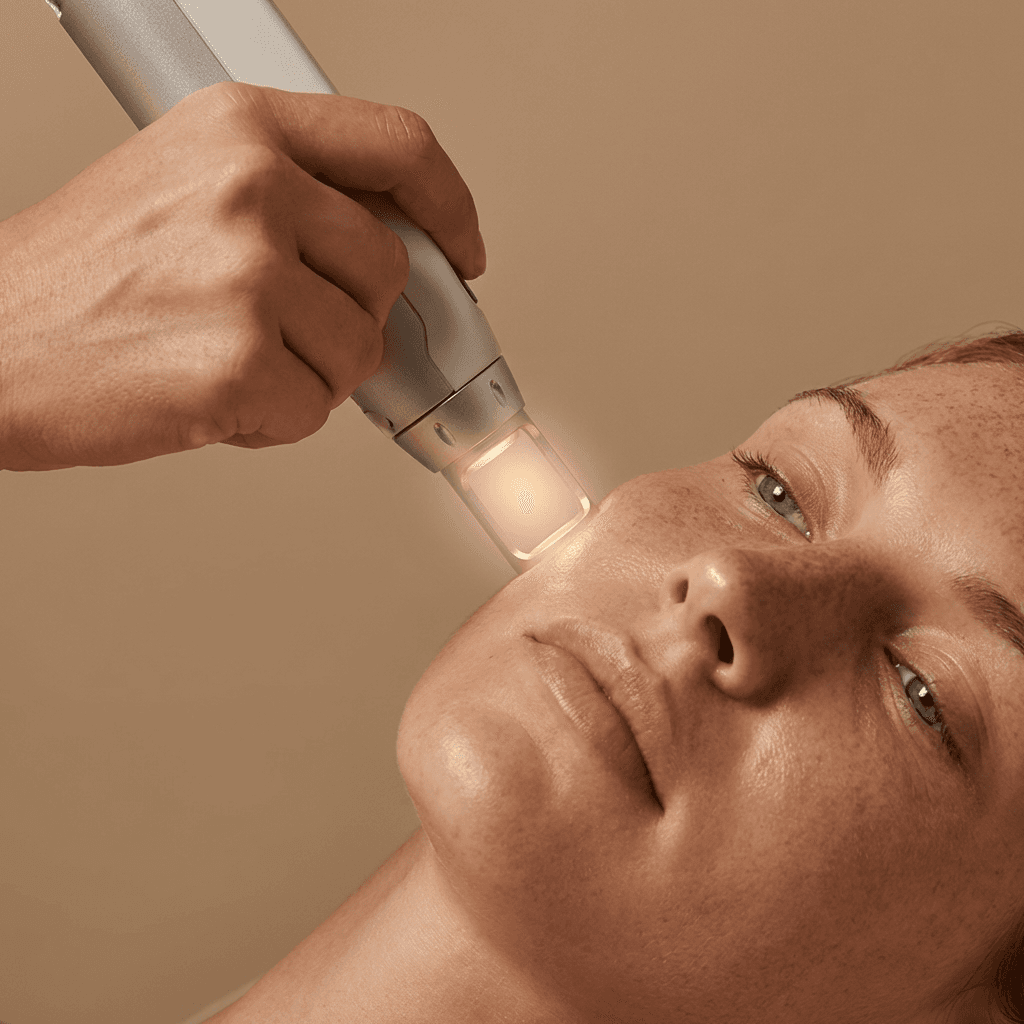
Non-ablative ClearLift laser resurfacing on the Harmony XL Pro platform — softens fine lines, evens tone, and brightens skin without breaking the surface. No downtime. Performed by Janessa Kraupp-Sampson, MSN, FNP-BC.
Board-certified provider
Personalized treatment plan
St. George, Utah
Clinical aesthetics · Southern Utah
How Non-Ablative Resurfacing Works
Traditional ablative lasers (CO2, Erbium) work by removing the top layer of skin — they deliver dramatic results but require 7–14 days of significant recovery as the skin heals. The non-ablative approach reaches the same deeper collagen-producing layers without breaking the surface.
ClearLift uses a Q-Switched Nd:YAG laser to deliver micro-pulses of energy below the skin's outer layer. The energy creates a controlled wound-healing response that stimulates new collagen and elastin over the following 3–4 months — softening fine lines, evening tone, and improving texture. Because the surface is never broken, you walk out and resume normal life immediately.
ClearLift vs CO2 vs Fractional — How to Choose
The right tier depends on how much downtime you can take and how aggressive your concerns are.
ClearLift (non-ablative, Q-Switched)
Best for: Fine lines, dull skin, uneven tone, mild scarring, melasma support. Sessions: 3–6. Downtime: none. Available at Aera.
Fractional non-ablative (Fraxel, Halo)
Best for: Moderate fine lines, sun damage, mild-to-moderate acne scars. Sessions: 3–4. Downtime: 1–3 days redness + pinpoint marks. Not at Aera — if you'd benefit more from this tier, we'll refer you honestly.
Ablative fractional CO2
Best for: Established wrinkles, deep acne scars, significant sun damage. Sessions: 1–2. Downtime: 5–10 days. Not at Aera.
Fully ablative CO2
Best for: Severe sun damage and deep wrinkles. Maximum aggressiveness. Sessions: 1. Downtime: 7–14+ days, oozing and peeling. Rarely indicated outside specific cases — surgical referral often a better path.
What ClearLift Treats
Fine lines
Around the eyes, lips, and forehead — softens without freezing expression
Dull, uneven skin
Even tone, brighter complexion, more reflectivity in the skin
Mild acne scarring
Especially newer marks and pigment from recent breakouts
Sun damage
Reduces lingering pigment and surface roughness
Melasma support
Gentle enough to use on melasma where stronger lasers are too risky
Pre-event glow
Single session 1–2 days out for instant radiance with no redness
Provider
Janessa Kraupp-Sampson, MSN, FNP-BC
Board-certified Family Nurse Practitioner with a Master of Science in Nursing. Clinical foundation in dermatologic conditions before transitioning to aesthetic medicine. Trains other nurses through a 90-day injector program. Every session performed personally — performed by licensed providers — never by medical assistants or aestheticians.
See the full Harmony XL Pro platform →Good to know
Frequently Asked Questions
At Aera Medical Aesthetics, ClearLift sessions typically run $300–$450 per session, with multi-session packages discounted. A typical course is 3–6 sessions spaced 4 weeks apart for full results. Single sessions are also available for pre-event glow. Call (435) 319-4631 for an exact quote based on the area and your goals.
It depends on the type. Non-ablative resurfacing (which is what ClearLift is) has essentially no downtime — patients return to work and exercise the same day with minimal redness. Ablative CO2 laser has 7–14 days of significant recovery (redness, peeling, oozing). Fractional non-ablative falls in between (1–3 days of redness). At Aera we use the non-ablative ClearLift approach, which is why patients can do it on a Friday and return to normal Monday.
Neither is universally better — they're different tools for different patients. CO2 ablates the top layer of skin and delivers dramatic resurfacing in one session, but with 7–14 days of significant downtime. ClearLift is non-ablative — it stimulates collagen below the surface without breaking it, producing comparable long-term improvements over a series of 3–6 sessions with no downtime. If you can take a week off and want maximum aggressiveness, CO2 wins. If you can't (or prefer gentler), a ClearLift series gets you there with no recovery.
Fractional lasers (like Fraxel, Halo) treat fractions of the skin with tiny columns of light, leaving healthy tissue between to speed healing. They're more powerful than non-ablative lasers like ClearLift, but cause 1–3 days of redness and pinpoint marks. ClearLift treats the full area at lower intensity per session — gentler, no downtime, but takes more sessions for the same long-term result. Best fit depends on your downtime tolerance and how aggressive you want to go.
Some lasers are riskier on darker skin (Fitzpatrick IV–VI) because they target melanin in the surface layers. ClearLift is safer in this regard — it uses a Q-Switched Nd:YAG laser that delivers energy below the surface without targeting surface pigment, making it one of the better non-ablative options for medium-to-dark skin. Janessa adjusts settings per Fitzpatrick type at every session.
Most patients need 3–6 sessions spaced 4 weeks apart for a full course, then maintenance every 6 months. Improvement is gradual: brighter skin and finer texture after the first session, with continued improvement over 3–4 months as new collagen forms. A single session is excellent for pre-event glow.
Fine lines and early wrinkles, dull skin and uneven tone, mild scarring including acne scars, melasma support (gentle enough to use on melasma when stronger lasers are too risky), and overall skin rejuvenation. Patients with deep wrinkles, established acne scars, or significant sun damage may benefit more from a stronger fractional or ablative approach — Janessa will tell you honestly if that's the case.
Most patients describe ClearLift as a series of warm taps — easily tolerated without numbing. There's no skin-breaking sensation. Sessions take 20–30 minutes for a full face. You'll feel mild warmth that fades within an hour.
Your next step
393 E Riverside Dr, Ste 103
St. George, Utah 84790
Start with a conversation, not a treatment plan.
Schedule a complimentary consultation with Aera’s licensed clinical team. We’ll talk through your goals, timing, and the options that make sense for you.
Your provider
Clinical judgment and aesthetic restraint, with a plan built around your anatomy rather than a template.
Ivey
Laser Specialist · Aesthetic Injector
Born and raised in St. George with a background in surgical nursing. Ivey brings a calm, detail-oriented approach to every laser treatment and injectable session.
Meet the Aera teamExplore more